Aggressive media / separation / recovery
Chemicals
Heat-transfer pathways for aggressive media, pressure duty, gas cleaning, carbon capture and specialist process conditions.
- Typical duty
- Up to 1,050 bar planning class
- Media
- Acids, solvents, gases, hydrogen, cryogenic fluids
- Selection focus
- Material, containment, leak detection
- Documentation
- NACE / PED / ASME documentation
Operating context
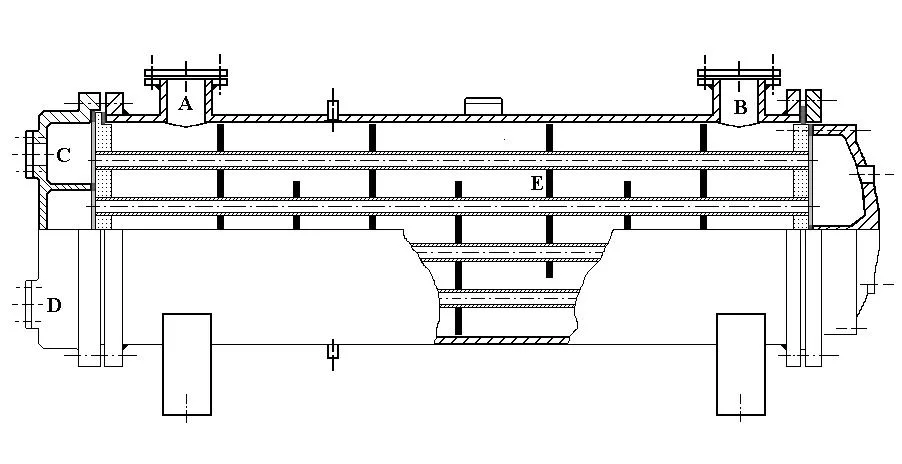
Chemical duty is defined by material compatibility, pressure, temperature and the consequence of cross-contamination. The range includes welded plate, diffusion-bonded, double-wall and shell-and-tube exchangers with leak-monitoring and material traceability options.
Typical applications
Duty envelope
The assumptions we need to test.
These are starting points, not limits. Each project is reviewed against its own design conditions, specification and lifecycle requirement.
Typical duty
Up to 1,050 bar planning class
Media
Acids, solvents, gases, hydrogen, cryogenic fluids
Selection focus
Material, containment, leak detection
Documentation
NACE / PED / ASME documentation
Selection questions
Five inputs that change the answer.
Design ambient and part-load profile
Corrosion class and cleaning regime
Redundancy, isolation and maintenance access
Noise, plume and planning limits
Documentation, certification and witness points
Chemicals / enquiry
Put the application in the first line.
Send the industry, site location, duty point and the constraint you are most worried about. We will route the enquiry to the right engineering desk.